Milestone — Optimizing Web Experience & Performance for Marketing Platforms
Improved usability, performance, and content workflows across a large-scale WordPress ecosystem—focusing on conversion, CMS efficiency, and seamless integrations.
Type:
Company
Role:
UX Designer
Timeline:
Focus:
UX/UI Designer · Web Experience · WordPress & Automation

Overview
Milestone’s web ecosystem included multiple marketing pages and campaigns managed through WordPress. While functional, it lacked clear structure, consistency, and efficient workflows for both users and internal teams.
The focus was to improve usability, performance, and content scalability—ensuring users could navigate and convert more effectively while enabling teams to manage content with ease.
Problem
The existing experience led to friction across both user journeys and internal workflows, impacting engagement and conversions.
Drop-offs in Key Flows: Users exited before completing forms or taking action due to unclear structure and weak CTA visibility
Content Accessibility Issues: Resource pages lacked clarity, making it difficult for users to consume and share content effectively
Inefficient CMS Workflows: Non-design teams struggled to manage and update content due to complex structures and limited flexibility
Performance Gaps: Heavy assets and unoptimized structure affected load speed and overall user experience
Approach
Worked with marketing, SEO, and development teams to improve usability, performance, and lead capture through UX audits, structured flow improvements, and system-level optimizations.
Focused on simplifying user flows and improving internal workflows.
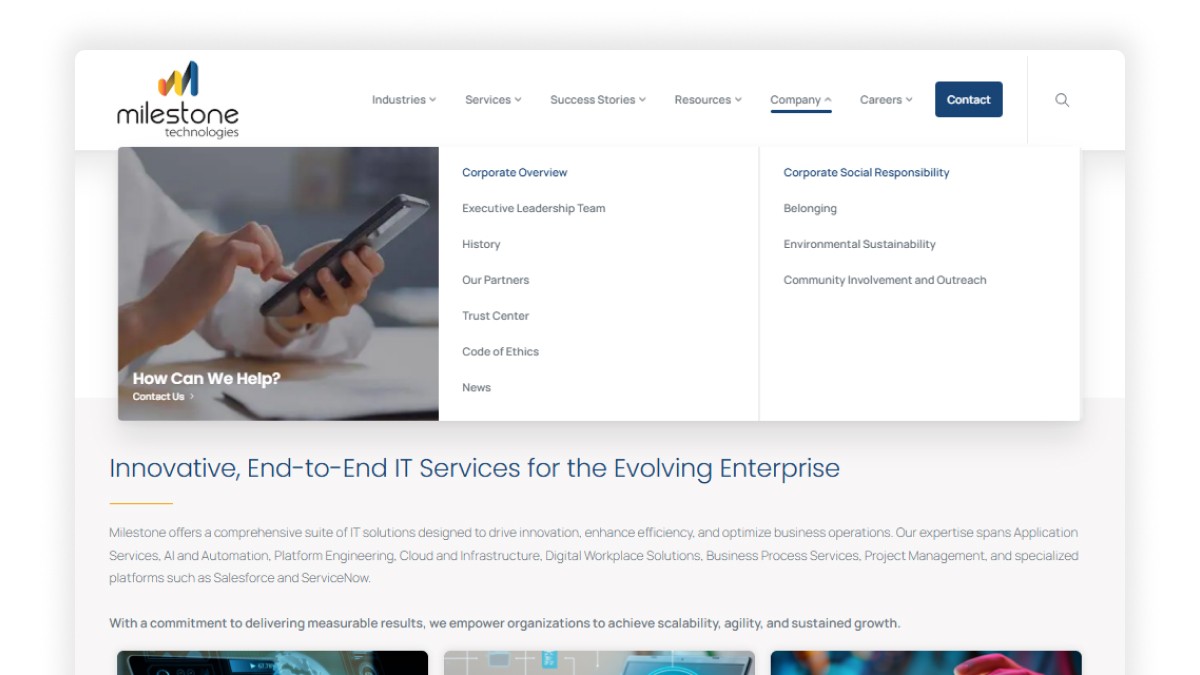
UX & Navigation: Simplified navigation and restructured flows to reduce friction across key journeys
UX Audit & IA: Conducted UX audits to refine information architecture, navigation, and user flows
UI & Consistency: Refined layouts and visuals to align with updated branding and improve clarity
CMS & Automation: Built reusable templates and integrated HubSpot workflows for efficient content management and lead tracking
Performance Optimization: Improved performance score to 93+ by optimizing page structure, assets, and loading behavior
Key Decisions
Focused on balancing usability, performance, and operational efficiency:
Template-Based CMS Approach: Created reusable structures instead of custom pages to enable faster content updates and reduce dependency on designers
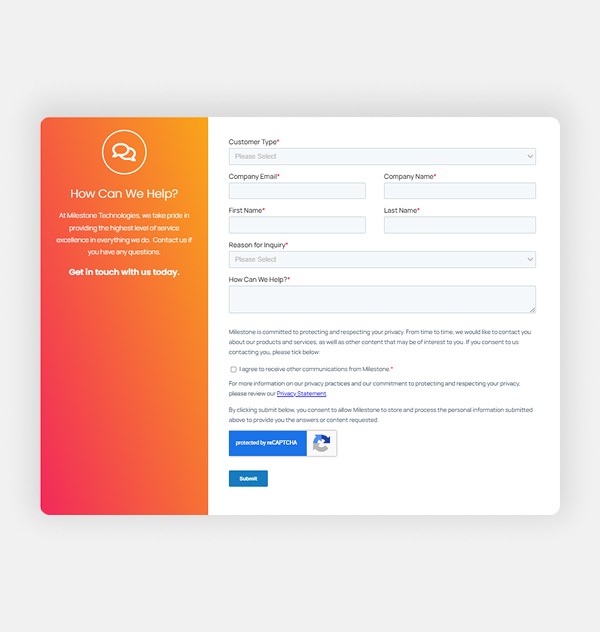
Conversion-First Layouts: Prioritized CTA placement and simplified flows to reduce drop-offs and guide users toward action
Performance over Visual Complexity: Optimized assets and reduced unnecessary elements to improve load speed and responsiveness
Cross-Team Collaboration: Aligned UX decisions with SEO, marketing, and development to ensure consistency across pages and campaigns
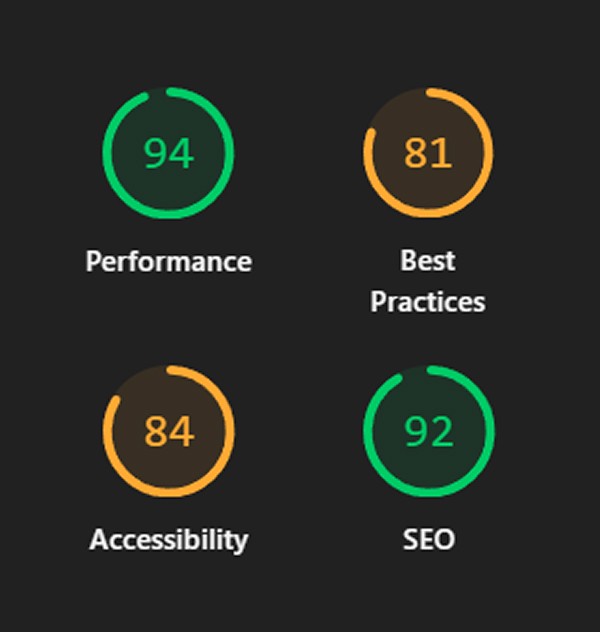
93+
Performance Score
Reduced
Form Drop-offs
20+ Pages
Optimized & Structured
Impact
Improved Conversions: Better CTA placement and flows reduced drop-offs and increased form completions
Faster Performance: Optimizations improved speed, contributing to higher performance scores and better experience
Better CMS Usability: Structured content system enabled easier and faster content management
Enhanced Experience: Clear navigation and consistent layouts improved usability across multiple pages
Cost Efficiency: Reduced infrastructure cost by $150/month through performance and resource optimization
Conclusion
This project focused on improving an existing system within real-world constraints, balancing usability, performance, and scalability.
By aligning design decisions with marketing goals, SEO needs, and technical limitations, the platform evolved into a more structured and conversion-focused experience for both users and internal teams.
/ More Works

Let’s build something meaningful
Open to product roles, collaborations, and conversations
Milestone — Optimizing Web Experience & Performance for Marketing Platforms
Improved usability, performance, and content workflows across a large-scale WordPress ecosystem—focusing on conversion, CMS efficiency, and seamless integrations.
Type:
Company
Role:
UX Designer
Timeline:
Focus:
UX/UI Designer · Web Experience · WordPress & Automation
Overview
Milestone’s web ecosystem included multiple marketing pages and campaigns managed through WordPress. While functional, it lacked clear structure, consistency, and efficient workflows for both users and internal teams.
The focus was to improve usability, performance, and content scalability—ensuring users could navigate and convert more effectively while enabling teams to manage content with ease.
Problem
The existing experience led to friction across both user journeys and internal workflows, impacting engagement and conversions.
Drop-offs in Key Flows: Users exited before completing forms or taking action due to unclear structure and weak CTA visibility
Content Accessibility Issues: Resource pages lacked clarity, making it difficult for users to consume and share content effectively
Inefficient CMS Workflows: Non-design teams struggled to manage and update content due to complex structures and limited flexibility
Performance Gaps: Heavy assets and unoptimized structure affected load speed and overall user experience
Approach
Worked with marketing, SEO, and development teams to improve usability, performance, and lead capture through UX audits, structured flow improvements, and system-level optimizations.
Focused on simplifying user flows and improving internal workflows.
UX & Navigation: Simplified navigation and restructured flows to reduce friction across key journeys
UX Audit & IA: Conducted UX audits to refine information architecture, navigation, and user flows
UI & Consistency: Refined layouts and visuals to align with updated branding and improve clarity
CMS & Automation: Built reusable templates and integrated HubSpot workflows for efficient content management and lead tracking
Performance Optimization: Improved performance score to 93+ by optimizing page structure, assets, and loading behavior
Key Decisions
Focused on balancing usability, performance, and operational efficiency:
Template-Based CMS Approach: Created reusable structures instead of custom pages to enable faster content updates and reduce dependency on designers
Conversion-First Layouts: Prioritized CTA placement and simplified flows to reduce drop-offs and guide users toward action
Performance over Visual Complexity: Optimized assets and reduced unnecessary elements to improve load speed and responsiveness
Cross-Team Collaboration: Aligned UX decisions with SEO, marketing, and development to ensure consistency across pages and campaigns
93+
Performance Score
Reduced
Form Drop-offs
20+ Pages
Optimized & Structured
Impact
Improved Conversions: Better CTA placement and flows reduced drop-offs and increased form completions
Faster Performance: Optimizations improved speed, contributing to higher performance scores and better experience
Better CMS Usability: Structured content system enabled easier and faster content management
Enhanced Experience: Clear navigation and consistent layouts improved usability across multiple pages
Cost Efficiency: Reduced infrastructure cost by $150/month through performance and resource optimization
Conclusion
This project focused on improving an existing system within real-world constraints, balancing usability, performance, and scalability.
By aligning design decisions with marketing goals, SEO needs, and technical limitations, the platform evolved into a more structured and conversion-focused experience for both users and internal teams.
/ More Works
Let’s build something meaningful
Open to product roles, collaborations, and conversations
Milestone — Optimizing Web Experience & Performance for Marketing Platforms
Improved usability, performance, and content workflows across a large-scale WordPress ecosystem—focusing on conversion, CMS efficiency, and seamless integrations.
Type:
Company
Role:
UX Designer
Timeline:
Focus:
UX/UI Designer · Web Experience · WordPress & Automation
Overview
Milestone’s web ecosystem included multiple marketing pages and campaigns managed through WordPress. While functional, it lacked clear structure, consistency, and efficient workflows for both users and internal teams.
The focus was to improve usability, performance, and content scalability—ensuring users could navigate and convert more effectively while enabling teams to manage content with ease.
Problem
The existing experience led to friction across both user journeys and internal workflows, impacting engagement and conversions.
Drop-offs in Key Flows: Users exited before completing forms or taking action due to unclear structure and weak CTA visibility
Content Accessibility Issues: Resource pages lacked clarity, making it difficult for users to consume and share content effectively
Inefficient CMS Workflows: Non-design teams struggled to manage and update content due to complex structures and limited flexibility
Performance Gaps: Heavy assets and unoptimized structure affected load speed and overall user experience
Approach
Worked with marketing, SEO, and development teams to improve usability, performance, and lead capture through UX audits, structured flow improvements, and system-level optimizations.
Focused on simplifying user flows and improving internal workflows.
UX & Navigation: Simplified navigation and restructured flows to reduce friction across key journeys
UX Audit & IA: Conducted UX audits to refine information architecture, navigation, and user flows
UI & Consistency: Refined layouts and visuals to align with updated branding and improve clarity
CMS & Automation: Built reusable templates and integrated HubSpot workflows for efficient content management and lead tracking
Performance Optimization: Improved performance score to 93+ by optimizing page structure, assets, and loading behavior
Key Decisions
Focused on balancing usability, performance, and operational efficiency:
Template-Based CMS Approach: Created reusable structures instead of custom pages to enable faster content updates and reduce dependency on designers
Conversion-First Layouts: Prioritized CTA placement and simplified flows to reduce drop-offs and guide users toward action
Performance over Visual Complexity: Optimized assets and reduced unnecessary elements to improve load speed and responsiveness
Cross-Team Collaboration: Aligned UX decisions with SEO, marketing, and development to ensure consistency across pages and campaigns
93+
Performance Score
Reduced
Form Drop-offs
20+ Pages
Optimized & Structured
Impact
Improved Conversions: Better CTA placement and flows reduced drop-offs and increased form completions
Faster Performance: Optimizations improved speed, contributing to higher performance scores and better experience
Better CMS Usability: Structured content system enabled easier and faster content management
Enhanced Experience: Clear navigation and consistent layouts improved usability across multiple pages
Cost Efficiency: Reduced infrastructure cost by $150/month through performance and resource optimization
Conclusion
This project focused on improving an existing system within real-world constraints, balancing usability, performance, and scalability.
By aligning design decisions with marketing goals, SEO needs, and technical limitations, the platform evolved into a more structured and conversion-focused experience for both users and internal teams.
/ More Works
Let’s build something meaningful
Open to product roles, collaborations, and conversations